English
  中文
中文  한국어
한국어  français
  Deutsch
  Español
  italiano
  русский
  português
  العربية
  Polska
  Indonesia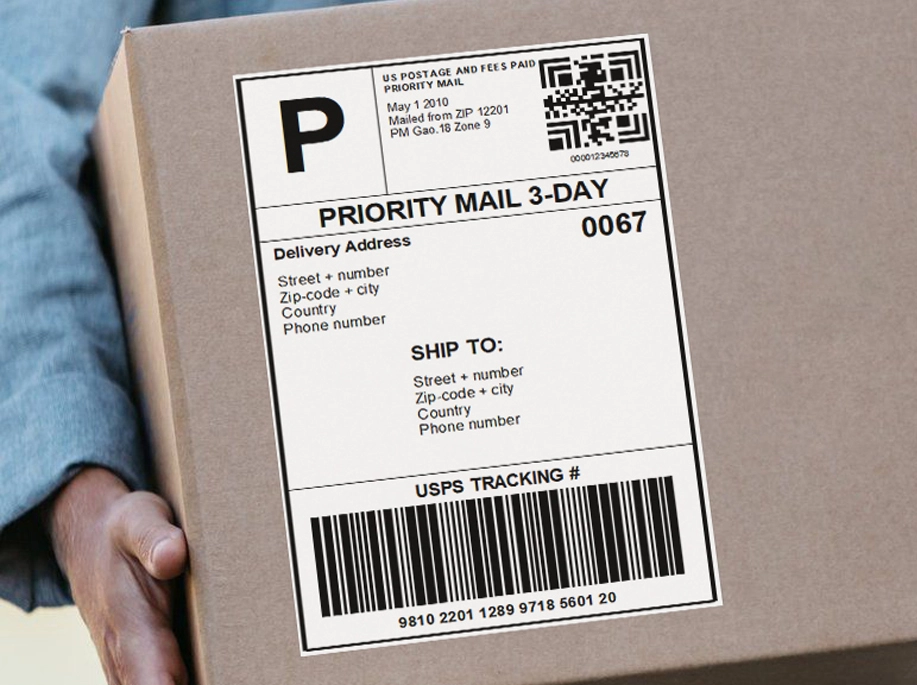
Different facestock ,adhesive, and liner can be combined with many self-adhesive label.
View More

In the diverse world of labeling, where precision, durability, and efficiency are paramount, choosing the right thermal label sticker is a crucial decision. As technology advances, the options within the realm of thermal labels have expanded, offering a variety of choices to cater to different applications and industries. This guide aims to assist businesses and individuals in navigating the landscape of thermal label stickers, providing insights into key considerations for selecting the right sticker to ensure optimal performance.
The first step in choosing the right thermal label sticker is understanding the specific needs of your application. Two primary types of thermal label technologies exist: direct thermal and thermal transfer.
Direct Thermal: Ideal for applications that require quick, on-demand printing, direct thermal labels are heat-activated, producing prints directly on the label surface. They are commonly used in scenarios where labels have a shorter lifespan, such as shipping labels, receipts, and temporary tags.
Thermal Transfer: For applications demanding durability and resistance to environmental factors, thermal transfer labels are the go-to choice. This technology involves using a ribbon to transfer the image onto the label, allowing for a broader range of label materials. Thermal transfer labels are suitable for industrial applications, product labeling, and situations where longevity is essential.
Understanding the specific requirements of your labeling needs will guide you toward the most suitable thermal label technology.
The environment in which the thermal label stickers will be used is a critical factor in the selection process. Different label materials offer varying levels of durability, resistance, and adherence. Consider the following aspects:
Paper Labels: Commonly used for short-term applications, paper labels are cost-effective and suitable for environments where exposure to moisture, chemicals, or abrasion is limited.
Synthetic Labels: Constructed from materials like polypropylene or polyester, synthetic labels offer enhanced durability and resistance. They are ideal for applications in challenging environments, including outdoor use or exposure to harsh chemicals.
By aligning the label material with the environmental conditions, you ensure that the thermal label stickers perform optimally and withstand the challenges they may encounter.
The quality of prints produced by thermal label stickers is a critical factor, especially in applications where readability and scannability are essential. The print resolution is measured in dots per inch (DPI), with higher DPI values indicating sharper and more detailed prints. Consider the intricacy of your label designs, the need for barcode clarity, and the legibility of text when evaluating the print resolution of thermal label stickers.
For applications requiring fine details or high-quality graphics, opting for a higher DPI will ensure that the thermal labels meet the precision standards necessary for optimal performance.
Thermal label stickers are available in a wide range of sizes and formats to accommodate various labeling needs. Consider the dimensions required for your application, including the size of product packaging, shipping boxes, or other items you intend to label. Ensure that the chosen thermal label size aligns with the specifications of your label printer and the design of your label layouts.
Choosing the right size and format not only contributes to the aesthetics of your labeling but also ensures practicality and ease of application in your specific use case.
Navigating the myriad options of thermal label stickers becomes more manageable when armed with a clear understanding of your application needs, the environmental conditions, print resolution requirements, and the desired size and format. By aligning these considerations with the characteristics of direct thermal or thermal transfer technologies, businesses and individuals can make informed choices that result in optimal performance from their chosen thermal label stickers.
As the labeling landscape continues to evolve, staying informed about technological advancements and emerging materials will further empower decision-makers to choose thermal label stickers that not only meet but exceed the expectations of their unique labeling requirements.